

As the global push for energy efficiency and grid modernisation intensifies, government utilities find themselves at a transformative crossroads. Central to this transition is the widespread adoption of digital electric meters, especially smart energy meters using IoT.
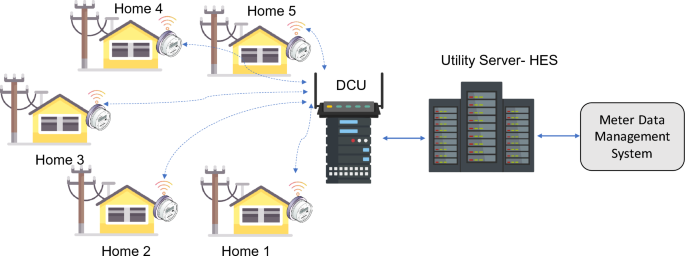
These advanced metering solutions promise a new era of operational excellence, loss reduction, and consumer engagement. But what’s really driving this shift, and how does it translate into tangible benefits for utilities and consumers alike? Let’s unpack the key factors propelling government utilities towards a digital metering future.
1. Regulatory Mandates and Policy Pressures Drive Digital Meter Adoption
Government utilities aren’t embracing digital electric meters in a vacuum. Stringent regulatory frameworks and policy initiatives are a major catalyst:
- In the EU, the Clean Energy Package mandates the rollout of advanced metering infrastructure (AMI) across member states, setting the stage for time-of-use tariffs and grid flexibility.
- The US Grid Resilience and Innovation Partnerships (GRIP) program is funneling billions into advanced metering projects as part of a broader grid modernisation agenda.
- India’s Revamped Distribution Sector Scheme (RDSS) has set an ambitious target of replacing 250 million conventional meters with smart meters by 2025.
These mandates reflect a growing consensus among policymakers: digital electric meters are indispensable for achieving energy efficiency goals, curbing losses, and future-proofing the grid.
2. Curbing Losses and Boosting Revenue Assurance
For government utilities grappling with high aggregate technical and commercial (AT&C) losses, often exceeding 20% in developing markets like India, digital electric meters offer a lifeline:
- Advanced tamper detection algorithms can identify and prevent energy theft, a major source of non-technical losses.
- Automated meter reading (AMR) capabilities ensure accurate billing, reducing instances of faulty readings or unbilled consumption.
- A notable study found that government utilities, in particular, experience above-average loss reductions and revenue gains after digital electric meter deployment.
By minimising leakages and improving collection efficiency, these meters directly boost the bottom line, freeing up resources for infrastructure upgrades and quality of service improvements.
3. Operational Efficiency Gains and Cost Optimisation
Digital electric meters plug revenue gaps, streamline operations, and reduce costs:
- Remote meter reading and diagnostics minimise the need for field visits, lowering labor costs and improving worker safety.
- Predictive maintenance capabilities help utilities proactively identify and resolve equipment issues, preventing costly failures and outages.
- Granular consumption data enables utilities to optimise power procurement and grid investments based on actual demand patterns.
Case in point: A US study found that smart energy meters using IoT reduced outage durations by 5.5% and enabled substantial operational savings for utilities. In an era of rising costs and aging infrastructure, these efficiency gains can be game-changing.
4. Enhanced Grid Reliability and Outage Management
Digital electric meters are also pivotal for improving grid reliability and resilience:
- Real-time outage notifications and precise fault localisation capabilities allow utilities to respond faster to service interruptions.
- Voltage monitoring features help maintain power quality and prevent equipment damage.
- Bidirectional communication enables seamless integration of distributed energy resources (DERs) like rooftop solar and battery storage.
These capabilities are especially critical for utilities managing stressed or ageing networks, as seen in parts of the US and India. By enhancing grid visibility and control, digital electric meters help keep the lights on for millions of consumers.
5. Empowering Consumers and Enabling Energy Conservation
Perhaps most importantly, digital electric meters put consumers in the driver’s seat when it comes to managing their energy use:
- Granular consumption data, often accessible via mobile apps or in-home displays, helps consumers identify energy-saving opportunities.
- Time-of-use pricing and demand-response programs incentivise consumers to shift loads during peak periods, reducing strain on the grid.
- Smart energy meters using IoT can interface with smart home devices and appliances, enabling automated energy management.
These features not only help consumers save money but also cultivate a culture of energy conservation: a win-win for utilities and the environment.
The Road Ahead: IoT and the Future of Smart Metering
As government utilities accelerate their digital metering journeys, the Internet of Things (IoT) is emerging as a key enabler:
- IoT-connected meters can transmit data in real-time over secure, low-power wide-area networks (LPWANs) like NB-IoT or LoRaWAN.
- Advanced data analytics platforms can process massive volumes of IoT meter data, generating actionable insights for grid optimisation and customer service.
- IoT-based prepaid metering solutions are gaining traction, particularly in developing markets, by providing consumers with greater payment flexibility and consumption visibility.
As more utilities embrace smart energy meters using IoT, we can expect to see even greater efficiency gains, loss reductions, and consumer benefits in the years ahead.
Embracing the Digital Metering Imperative
For government utilities, the shift to digital electric meters is no longer optional; it’s an imperative. From regulatory pressures and revenue assurance to operational efficiency and consumer empowerment, the drivers are manifold and compelling. As the grid becomes smarter and more interconnected, these meters will play an increasingly critical role in balancing supply and demand, integrating renewables, and enabling new business models.
Of course, the transition isn’t without its challenges. Utilities must navigate concerns around cybersecurity, interoperability, and workforce upskilling. But with the right strategies and partnerships in place, the benefits far outweigh the risks.
That’s where solution providers like Airtel IoT Smart Utilities come in. With their advanced metering infrastructure (AMI) and smart meter systems, Airtel IoT is helping government utilities across India accelerate their digital transformation journeys, delivering measurable efficiency gains, loss reductions, and consumer benefits along the way.
